Accessibility Tools
Invert colors
Monochrome
Dark contrast
Light contrast
Low saturation
High saturation
Highlight links
Highlight headings
Screen reader
Read mode
Content scaling
100
%
Font size
100
%
Line height
100
%
Letter spacing
100
%
Off-Canvas Toggle
Donate
Volunteer
Search
I Want To...
Register for a Workshop
Join a Garden
Volunteer
Make a Donation
Join the Email List
Request Support
Programs
Adult Education
Adult Education Overview
Workshops & Webinars
Garden Tours
Climate Resiliency
Grow Your Food Resources
Advocacy & Justice
Advocacy & Justice Overview
Sabores de Mi Patria
Community Gardens
Community Gardens Overview
Join a Community Garden
Organize a Community Garden
Utah Yard Share Program
Job Training
Job Training Overview
The Green Team
Farm Incubator Program
Volunteer
Volunteer Overview
Apply to Volunteer
Youth & School
Youth & School Overview
For Families
For Teachers
For Partners
Events & News
Full Calendar
Newsroom
Spring Plant Sale
Tomato Sandwich Party
Love Local Winter Market
Locations
Visit WCG's Campus
Community Gardens
City Farm on 1300 South
Farm Incubator Group Site (FIGS)
Support
Donate
Sponsor
In-Kind Donations
Planned Giving
Campaigns
Other Ways to Give
Director's Circle
Volunteer
About
Mission & Values
Our Staff
Our Board
Employment & Internships
Land Acknowledgement
Accessibility
Anti-Racism Statement
Financials & Organizational Data
Contact Us
Request Support
Off-Canvas Toggle
I Want To...
Register for a Workshop
Join a Garden
Volunteer
Make a Donation
Join the Email List
Request Support
Programs
Adult Education
Adult Education Overview
Workshops & Webinars
Garden Tours
Climate Resiliency
Grow Your Food Resources
Advocacy & Justice
Advocacy & Justice Overview
Sabores de Mi Patria
Community Gardens
Community Gardens Overview
Join a Community Garden
Organize a Community Garden
Utah Yard Share Program
Job Training
Job Training Overview
The Green Team
Farm Incubator Program
Volunteer
Volunteer Overview
Apply to Volunteer
Youth & School
Youth & School Overview
For Families
For Teachers
For Partners
Events & News
Full Calendar
Newsroom
Spring Plant Sale
Tomato Sandwich Party
Love Local Winter Market
Locations
Visit WCG's Campus
Community Gardens
City Farm on 1300 South
Farm Incubator Group Site (FIGS)
Support
Donate
Sponsor
In-Kind Donations
Planned Giving
Campaigns
Other Ways to Give
Director's Circle
Volunteer
About
Mission & Values
Our Staff
Our Board
Employment & Internships
Land Acknowledgement
Accessibility
Anti-Racism Statement
Financials & Organizational Data
Contact Us
Request Support
Off-Canvas Toggle
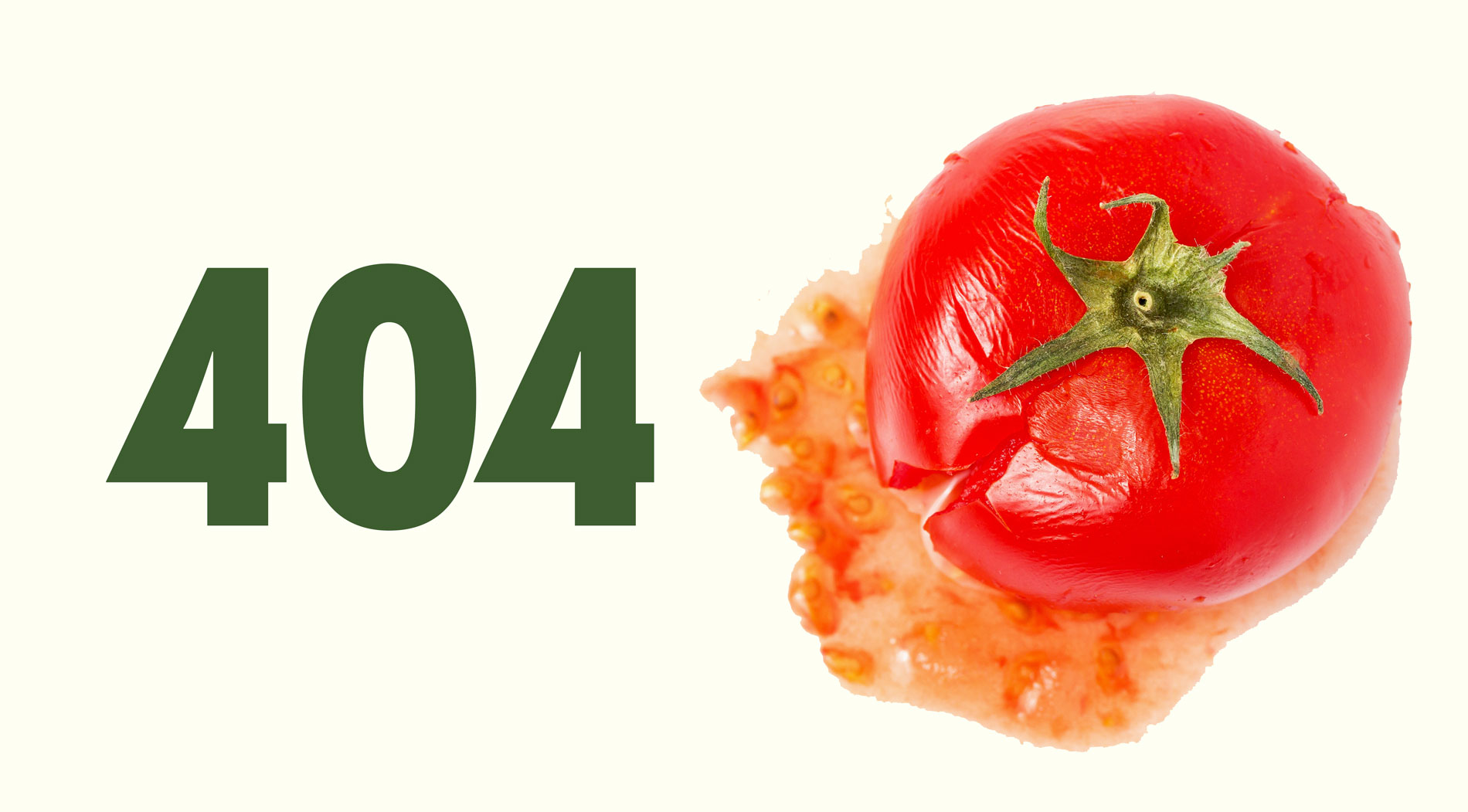
Sorry, that content may have moved.
Please navigate using the menu, or go
home
.
Off-Canvas Toggle
I Want To...
Register for a Workshop
Join a Garden
Volunteer
Make a Donation
Request Support
Join the Email List
Programs
Adult Education
Adult Education Overview
Workshops & Webinars
Garden Tours
Climate Resiliency
Grow Your Food Resources
Advocacy & Justice
Advocacy & Justice Overview
Sabores de Mi Patria
Community Gardens
Community Gardens Overview
Join a Community Garden
Organize a Community Garden
Utah Yard Share Program
Job Training
Job Training Overview
The Green Team
Farm Incubator Program
Volunteer
Volunteer Overview
Apply to Volunteer
Youth & School
Youth & School Overview
For Families
For Teachers
For Partners
Events & News
Full Calendar
Newsroom
Spring Plant Sale
Tomato Sandwich Party
Love Local Winter Market
Locations
Visit WCG's Campus
Community Gardens
City Farm on 1300 South
Farm Incubator Group Site (FIGS)
Support
Donate
Sponsor
In-Kind Donations
Planned Giving
Campaigns
Volunteer
Other Ways to Give
Director's Circle
About
Mission & Values
Our Staff
Our Board
Financials & Organizational Data
Employment & Internships
Accessibility
Anti-Racism Statement
Land Acknowledgement
Contact Us
Request Support
Donate
Volunteer
Search
×
×